
Basic wound care and dressings
Safe and hygienic cleaning, dressing, and care for minor cuts, scrapes, and burns
Overview
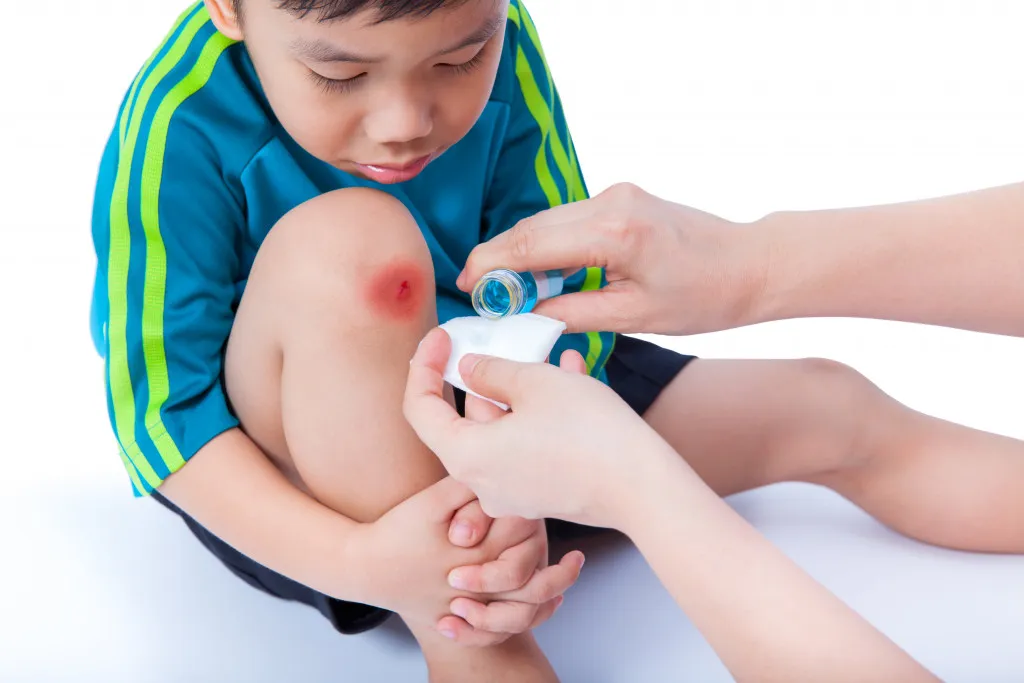
Children are active, curious, and naturally prone to minor injuries like cuts, scrapes, skin abrasions, and minor burns during play. Basic Wound Care and Dressings at The Ved Clinic provides pediatric-focused wound management. Led by Dr. Amodini Walia, our team provides hygienic cleaning, disinfection, and dressing services to promote clean healing and minimize scarring.
Proper wound care in children is essential to prevent bacterial skin infections, such as impetigo or cellulitis. Children's skin is delicate, and wounds must be cleaned gently without causing unnecessary pain. Dr. Walia uses sterile saline, pediatric-safe antiseptics, and non-stick dressings to make the dressing process as comfortable as possible for the child.
We also evaluate the nature of the injury to determine if further care is needed. For deep cuts, we check if sutures (stitches) or tissue glue are required. We also check the child's vaccination history, ensuring their tetanus immunizations are up-to-date.
At The Ved Clinic, we guide parents on how to care for the wound at home, keep the dressing dry, and recognize signs of infection. We help ensure your child's skin heals cleanly, allowing them to return to play safely.
Common Symptoms & Indications
- ✕ Minor cuts, scrapes, and abrasions from falls or play
- ✕ First or second-degree minor burns requiring dressing
- ✕ Need for suture removal or clean dressing changes
- ✕ Signs of wound inflammation (redness, warmth, pus)
Clinical Procedure & Diagnostics
The wound care begins with **injury assessment**, where Dr. Amodini Walia checks the wound depth, location, and looks for signs of foreign objects or infection.
We clean the wound gently using sterile saline solutions and apply pediatric-safe antiseptic ointments. If needed, we close the wound edges using sterile strips, medical glue, or simple sutures, checking the child's tetanus status.
We then apply a sterile, breathable, non-stick dressing to protect the wound. Dr. Walia provides home care guidelines (keeping the dress clean, dressing change intervals) and schedules a follow-up check.
Key Recovery Benefits
- ✓ Minimizes the risk of skin infections
- ✓ Promotes faster skin healing with minimal scarring
- ✓ Gentle, child-friendly dressing techniques
- ✓ Ensures up-to-date tetanus protection
Rehabilitation & Recovery Timeline
Wound Cleansing
Sterile cleaning of the wound to remove dirt, debris, and bacteria gently.
Antiseptic Dressing
Applying antiseptic ointment and fitting a non-stick, protective dressing.
Healing Check
Reviewing the wound in 3-5 days to monitor healing and remove sutures if needed.
Frequently Asked Questions
Watch for increasing redness, swelling, skin warmth, throbbing pain, pus discharge, or a fever developing, which require medical evaluation.
Covering the wound with a sterile dressing keeps it moist, which actually speeds up healing, prevents scab cracking, and protects it from dirt and bacteria.
If the cut is deep or dirty (soil, rusty metal) and your child hasn\'t had a tetanus vaccine in the last 5 years, a booster dose is recommended.
Keep the wound clean and moisturized with recommended ointments, avoid picking at scabs, and protect the healing skin from direct sun exposure.
Consult Specialist
Schedule a detailed clinical assessment with Dr. Amodini Walia at The Ved Clinic Dehradun.
Request Appointment