Neonatal follow-up
Specialized developmental and medical tracking for high-risk newborns and NICU graduates
Overview
Newborns who have spent time in a Neonatal Intensive Care Unit (NICU)—due to prematurity, low birth weight, respiratory distress, or birth complications—require specialized follow-up care. Neonatal Follow-up at The Ved Clinic is a structured developmental monitoring program led by Dr. Amodini Walia. We provide close medical and developmental tracking for high-risk infants, helping them transition safely from hospital to home.
NICU graduates have higher risks for early health issues, including slow weight gain, feeding difficulties, abnormal muscle tone (stiffness or floppiness), and delayed motor milestones. Dr. Walia focuses on regular evaluations of the child's growth, neurological reflexes, and motor progress, allowing us to identify any developmental concerns early.
Early identification of neurological or motor issues is crucial. By tracking reflexes, posture, and muscle tone, Dr. Walia can spot early signs of motor conditions like Cerebral Palsy. She designs customized early intervention plans, incorporating physical therapy, sensory exercises, and nutritional support to help the child develop.
At The Ved Clinic, we understand that caring for a high-risk newborn can be overwhelming for parents. We provide compassionate counseling, growth tracking, vaccine coordination, and practical advice on infant care, helping parents care for their baby with confidence.
Common Symptoms & Indications
- ✕ History of NICU admission or birth complications
- ✕ Muscle stiffness (hypertonia) or floppiness (hypotonia)
- ✕ Persistent feeding difficulties, coughing, or choking during feeds
- ✕ Slow growth, poor weight gain, or slow head growth velocity
Clinical Procedure & Diagnostics
The neonatal follow-up begins with a **birth history review**, where Dr. Amodini Walia reviews NICU discharge summaries, gestation age, birth weight, and treatments received.
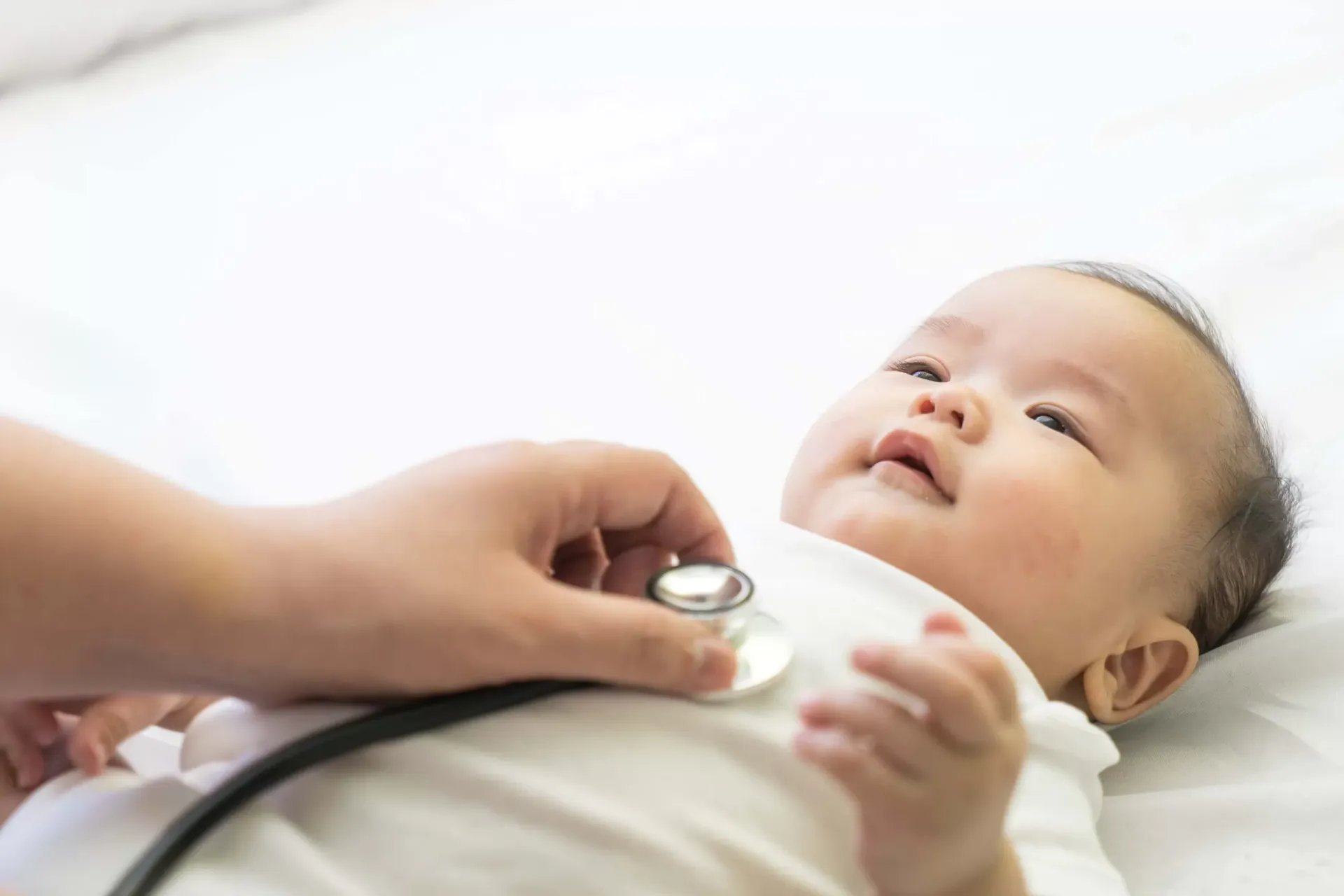
Dr. Walia performs a physical examination, checking the infant's muscle tone, developmental reflexes, head growth, and vital signs. She evaluates feeding safety, sucking efficiency, and checks for signs of common post-discharge issues like anemia or jaundice.
She plots the baby's growth parameters on specialized growth charts, coordinates vaccination schedules, and designs customized feeding or therapy plans. Follow-up visits are scheduled at close intervals to monitor progress.
Key Recovery Benefits
- ✓ Early detection of motor delays and muscle tone issues
- ✓ Customized feeding and developmental support plans
- ✓ Coordinated clinical care and vaccination tracking
- ✓ Reassurance and expert guidance for parents of high-risk babies
Rehabilitation & Recovery Timeline
Post-NICU Check
Reviewing birth history, checking muscle tone, feeding safety, and baseline reflexes.
Monthly Monitoring
Tracking head growth, weight gain, and motor milestones, adjusting care as needed.
Yearly Audit
Evaluating motor skills, language development, and cognitive progress at 1 and 2 years.
Frequently Asked Questions
They are at higher risk for developmental, motor, and growth issues. A structured follow-up program ensures these concerns are identified and treated early, optimizing development.
Typically, visits are scheduled within 1 week of discharge, followed by monthly visits for the first 6 months, and then every 2-3 months up to age 2.
Watch for rapid or labored breathing, poor feeding, color changes (bluish lips), extreme lethargy, abnormal muscle stiffness, or lack of response to sounds.
Dr. Walia evaluates neonatal reflexes, head control, muscle tone, and developmental milestones (such as rolling, sitting, and reaching) during each visit.
Consult Specialist
Schedule a detailed clinical assessment with Dr. Amodini Walia at The Ved Clinic Dehradun.
Request Appointment