Asthma and allergic disorders
Specialized management of pediatric asthma, allergic rhinitis, and food allergies
Overview
Allergies occur when the immune system overreacts to harmless substances, and they are among the most common causes of chronic illness in children. Asthma and Allergic Disorders Care at The Ved Clinic provides specialized management for pediatric asthma, allergic rhinitis (hay fever), eczema, and food allergies. Led by Dr. Amodini Walia, we provide detailed evaluations to identify triggers and create personalized allergy management plans.
Allergic rhinitis causes chronic nasal congestion, sneezing, runny nose, and itchy eyes, which can disrupt a child's sleep, concentration, and school performance. Allergic rhinitis is frequently linked with childhood asthma, where allergic triggers cause airway inflammation, wheezing, and coughing. Dr. Walia focuses on treating both conditions together, reducing airway sensitivity and restoring comfortable breathing.
We also manage childhood food allergies, which can cause symptoms ranging from skin rashes to severe digestive issues or anaphylaxis. We help families identify and avoid food allergens (such as milk, nuts, eggs, or wheat), providing practical advice on reading food labels and maintaining a balanced, allergen-free diet.
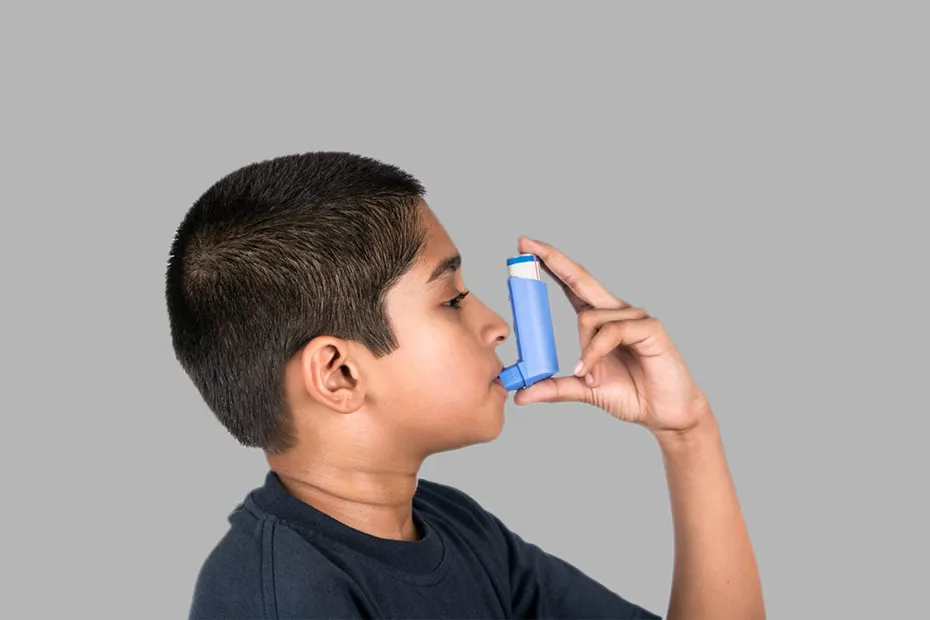
Through parent training on inhaler/spacer techniques, trigger avoidance, and custom allergy plans, we help families manage symptoms effectively, allowing children to play, sleep, and learn without discomfort.
Common Symptoms & Indications
- ✕ Frequent sneezing, runny nose, and itchy, watery eyes
- ✕ Persistent dry cough, wheezing, or chest tightness during play
- ✕ Itchy skin rashes, eczema, or sudden hives
- ✕ Swelling of the lips or face, or hives after eating certain foods
Clinical Procedure & Diagnostics
The allergy evaluation begins with an **allergy history audit**, where Dr. Amodini Walia reviews the child's symptoms, seasonal patterns, environmental exposures, and dietary history.
Dr. Walia performs a physical examination, checking the nasal passages for swelling (nasal turbinates), listening to the lungs for wheezing, and checking the skin for eczema patches. She may recommend blood tests (IgE panels) or allergy testing to identify specific triggers.
She then creates a personalized treatment plan, combining daily controller medications (nasal sprays, antihistamines, or inhalers) with custom trigger-avoidance guidelines. We provide parents with emergency plans and schedule regular reviews to monitor control.
Key Recovery Benefits
- ✓ Significant reduction in runny nose, sneezing, and coughing
- ✓ Prevention of severe asthma flare-ups and breathing distress
- ✓ Safe identification of specific food and environmental triggers
- ✓ Improved sleep quality and daily concentration for the child
Rehabilitation & Recovery Timeline
Allergen Review
Reviewing symptoms, mapping seasonal flare-ups, and identifying potential allergen triggers.
Preventive Care
Starting target antihistamines, nasal sprays, or inhalers to stabilize allergic responses.
Emergency Planning
Providing emergency action protocols for accidental allergen exposures and scheduling checkups.
Frequently Asked Questions
Colds usually clear up in 7-10 days and may cause a mild fever. Allergies last longer, cause clear nasal discharge, itchy nose and eyes, and do not cause fever.
Common triggers include dust mites, pollen, mold spores, pet dander, tobacco smoke, and incense smoke.
Yes. With proper medical management and using pre-exercise rescue inhalers if prescribed, children with asthma can play sports safely.
We provide a written Emergency Allergy Action Plan, detailing what antihistamines or emergency medicines to give immediately based on the severity of the reaction.
Consult Specialist
Schedule a detailed clinical assessment with Dr. Amodini Walia at The Ved Clinic Dehradun.
Request Appointment