EMG, VEP, BERA, NCV
Advanced Neurophysiological Testing for Nerves, Muscles & Senses
Overview
These specialized diagnostic tests assess the electrical integrity of nerves (NCV), muscle response (EMG), visual pathways (VEP), and hearing pathways (BERA) in children.
We use state-of-the-art diagnostic equipment to detect early sensory and neuromuscular deficits.
Common Symptoms & Indications
- ✕ Floppy baby syndrome (severe muscle weakness)
- ✕ Suspected child hearing loss or lack of response to sounds
- ✕ Visual tracking issues
- ✕ Tingling or loss of reflexes in limbs
Clinical Procedure & Diagnostics
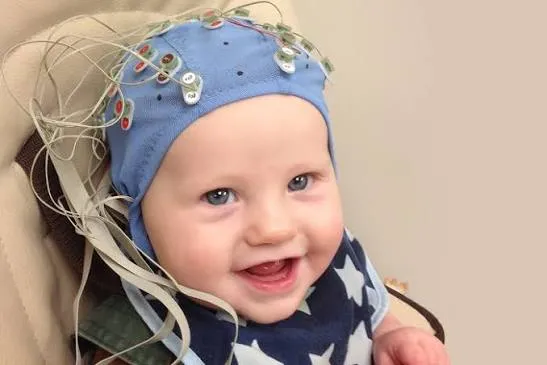
Using specialized diagnostic equipment to record muscle electrical activity, nerve conduction speeds, or brainstem responses to auditory and visual stimuli.
Key Recovery Benefits
- ✓ Highly objective diagnostic data
- ✓ Early detection of hearing or vision deficits (enabling timely therapy)
- ✓ Distinguishes between nerve and muscle disorders
- ✓ Minimally invasive testing protocols
Rehabilitation & Recovery Timeline
Clean Skin
Arriving with clean skin, free of lotions or oils.
Diagnostic Session
Performing nerve stimulation, sound clicks, or visual tracking tests.
Interpretation
Detailed physiological reporting to guide specific pediatric therapies.
Frequently Asked Questions
EMG: Electromyography; NCV: Nerve Conduction Velocity; BERA: Brainstem Auditory Evoked Response; VEP: Visual Evoked Potential.
BERA is a painless hearing test that measures how the brainstem responds to sound clicks through earplugs. It is used to test hearing in infants who cannot speak.
Tiny electrical pulses are applied to the skin to stimulate nerves. While it causes a brief tingling sensation, it is safe and tolerated well by children.
A VEP test evaluates the visual pathways from the eye to the brain, helping detect optic nerve issues in infants who cannot perform standard eye exams.
Consult Specialist
Schedule a detailed clinical assessment with Dr. Amodini Walia at The Ved Clinic Dehradun.
Request Appointment